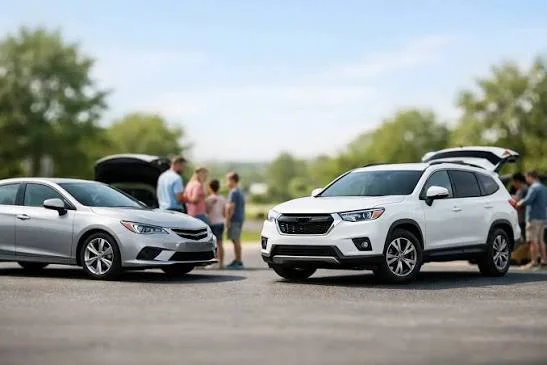
Comparing Used Sedan and SUV Options for Different Family Transportation Needs
A family vehicle has to handle daily routines without pushing household costs too high. The used market offers several body styles, which helps when transport needs change over time. Sedans tend to work for smaller families who want simple handling and lower fuel use. SUVs give larger households more cabin room for frequent group trips. Families exploring used cars in el cajon can find suitable options based on passenger numbers and the budget available.
Passenger Space and Seating
Most sedans seat five people and have a separate boot for luggage. This layout fits smaller households that mainly use the car for commuting. SUVs usually have a taller cabin, and some models add a third row of seats. Families should compare the two layouts against how many people they normally carry and how much room each person needs.
Check legroom in both rows before settling on a seating layout.
Look at rear seat width for growing children and adult passengers.
Test door openings for easy entry and exit.
Look for adjustable seats that suit drivers and passengers of different heights.
Check whether seat fabrics or leather are easy to clean.
Storage Capacity and Flexibility
How much a car can carry affects how easily a family gets through the week. A sedan’s enclosed boot keeps bags and belongings secure and out of sight. SUVs often have a bigger rear cargo area, and the seats fold down. With seats folded, a household can fit bulky items and still keep some passenger seats free.
Measure boot space against what the household carries regularly.
Check how the rear seats fold for extra cargo room.
Look at smaller compartments for personal items.
Compare the size of the rear opening for easier loading.
Check door pockets and console bins for everyday essentials.
Fuel Use and Expenses
Fuel costs make up a large share of regular household spending. Sedans are usually lighter, which often means lower fuel consumption. SUVs tend to be heavier or carry bigger engines, depending on the model. Buyers should check official fuel economy ratings and likely maintenance costs before deciding.
Safety Features and Visibility
A family car needs safety equipment the driver can rely on. Depending on the model year, both body styles may come with airbags and stability control. An SUV’s higher seating position gives the driver a better view of the road ahead. A sedan’s lower centre of gravity usually gives it steadier handling. Buyers exploring used cars in el cajon can make a confident purchase by confirming fitted safety features and examining the vehicle history report before buying.
Parents should also look closely at rear seat safety. Every seatbelt should lock and retract properly. Child seat anchor points make it easier to secure younger children. Testing the headlights and brakes shows whether the car meets the family’s safety standards.
Driving Ease and Handling
A sedan sits lower to the ground, which generally makes it easier to drive day to day. Its smaller size also helps in tight parking spaces. An SUV puts the driver higher up, with a clear view of the traffic around it. The extra size means more care is needed when turning or pulling into narrow spaces.
Family Needs And Selection
The better body style comes down to household size and daily priorities. A sedan often covers commuting and personal errands well for a smaller family. An SUV is worth considering when a larger household needs more seats or cargo room. Parents should confirm that their child seats fit before finalising the purchase.
Match the seating layout to the number of people the household usually carries.
Compare cabin space with what growing children will need over time.
Review the safety equipment before agreeing to payment.
Work out monthly costs using realistic household figures.
Book an independent inspection to confirm the mechanical condition.
Families get a better result by focusing on practical needs instead of looks alone. An inspection followed by a test drive gives buyers confidence in their choice. Check the ownership records before paying. The right vehicle should fit the household’s routine and keep running costs at a manageable level.