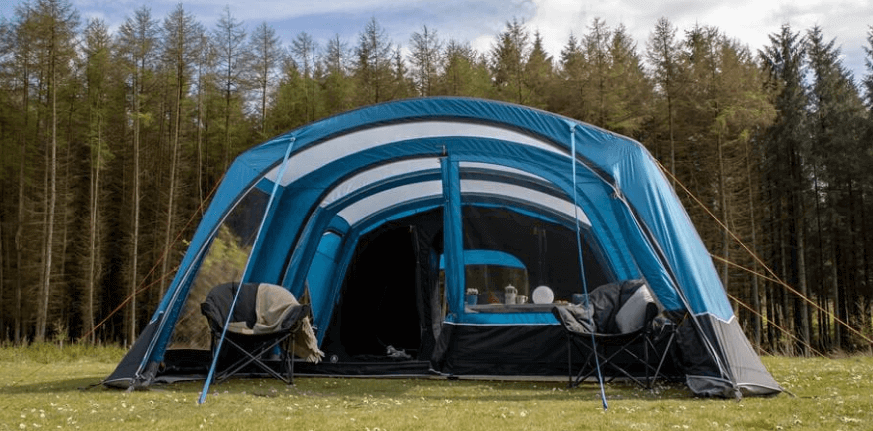
Picking the right UK camping tent matters more in Britain than almost anywhere else. The weather can turn from bright sunshine to sideways rain within an hour, and a tent that copes fine on a still summer evening might struggle badly on a blustery Welsh hillside. This guide walks through the practical decisions that actually affect a good night’s sleep: size, weather rating, poles, groundsheets and pitching sense, with a framework you can apply to almost any purchase.
Key takeaways
- Match the tent to actual use (backpacking, car camping or overlanding) before comparing specs
- Look for a hydrostatic head of at least 3000mm and taped seams for genuine British weather resistance
- Size up one person from the stated capacity if gear storage or comfort matters
- Aluminium poles cost more but resist bending far better than fibreglass in wind
- Footprint groundsheets extend tent life and keep the underside dry in wet UK conditions
Sites such as OEX stock everything from compact one person tents to family-sized three person setups and roof tents, which makes them a reasonable place to see the full range of options side by side before deciding what actually suits a specific trip.
Start With How You’ll Actually Use the Tent
Before looking at fabrics or pole systems, work out the real use case. A tent bought for a single wild camping trip on the Pennine Way has different priorities to one that lives in the boot for spontaneous weekend trips.
- Backpacking: weight and pack size dominate every other decision.
- Car camping: weight barely matters, so comfort and space win out.
- Festival or one-off use: cheap and quick to pitch beats almost everything else.
- Overlanding or van life: a roof tent might suit better than a ground tent.
Any UK camping tent decision should start here, because getting this wrong is the most common mistake buyers make, not the fabric spec. Someone who buys a lightweight one person tent for a family holiday will be uncomfortable, just as someone hauling a heavy family tent up a mountain will regret it by the second mile.
Choosing the Right UK Camping Tent Size
Manufacturers’ stated capacities assume everyone lies shoulder to shoulder with no gear inside, which rarely reflects reality. A genuine 2 person tent is tight once boots, rucksacks and a damp jacket are added to the mix.
A sensible rule of thumb is to size up by one person from the number actually sleeping inside. Two adults are usually happier in a 3 person tent, since the extra porch space keeps wet gear away from sleeping bags. Solo hikers who want room to sit up and read, rather than just crawl in and sleep, often prefer a 2 person tent even when camping alone.
| Party size | Recommended tent size | Why |
| 1 adult | 1 to 2 person | Balance of weight and comfort |
| 2 adults | 2 to 3 person | Room for gear and porch space |
| Family of 3 to 4 | 4 to 5 person | Space to move, dress and store bags |
Weather Rating: The Part Most Buyers Skip
British weather rewards buyers who check the hydrostatic head rating rather than just the price tag. This figure measures how much water pressure the fabric can withstand before it leaks, expressed in millimetres.
- 1500mm to 2000mm: fine for dry summer camping, not much else.
- 3000mm: a sensible minimum for general UK conditions, including light to moderate rain.
- 4000mm and above: better for exposed sites, upland pitches or extended wet spells.
Taped seams matter just as much as the flysheet rating. Most leaks in a UK camping tent start at the stitching, not the fabric itself, so a tent with an impressive hydrostatic head but untaped seams can still let water through at the worst possible moment.
Poles: Aluminium vs Fibreglass
Poles rarely get much attention until one snaps at 2am in a gale, at which point they suddenly become the most important part of the whole tent. Aluminium poles cost more but flex under load and spring back into shape, which matters enormously on coastal sites, open moorland or anywhere with little shelter from wind.
Fibreglass poles are lighter on the wallet and fine for calm, sheltered pitches, but they’re more prone to splintering under sustained pressure. Anyone who camps regularly on exposed ground, or who wants a UK camping tent that will survive several seasons of proper British weather, should treat aluminium poles as a genuine upgrade rather than an unnecessary extra.
Groundsheets and Footprints
Every tent comes with a built-in groundsheet, but it’s usually the first part of the tent to wear out. Sharp stones, twigs and rough pitches abrade the underside long before the flysheet shows any sign of ageing.
A separate footprint groundsheet, cut to match the tent’s floor plan, sits between the tent and the ground and takes the abrasion instead. It’s far cheaper to replace a torn footprint than to patch or replace an entire tent floor, and it also adds a thin extra layer of insulation and waterproofing on damp ground.
Roof Tents: A Different Approach to UK Camping
Roof tents have grown popular with people who move between sites often or camp on rough, wet or uneven ground where a ground tent would be miserable to pitch. Lifting the sleeping area onto the vehicle roof avoids puddles, tree roots and slugs entirely, and pitching often takes only a few minutes once you’re practised at it.
The trade-offs are weight, cost and the fact that the tent stays attached to the vehicle, so it’s not much use for backpacking. The oex roof tent is one example of the category worth looking at if overlanding or van-based trips are the main use case, since it shows the typical size, weight and setup involved.
A Practical Two Person Example
For anyone wanting a concrete reference point rather than abstract specs, the oex phoxx 2 is a fair example of what a mid-range 2 person UK camping tent looks like in practice: a manageable pack weight, a porch for boots and bags, and a hydrostatic head suited to typical British rain rather than tropical downpours. Comparing any prospective purchase against a known reference tent like this makes it easier to judge whether a quoted spec sheet is actually generous or just average.
Frequently Asked Questions
What waterproof rating do I need for a UK camping tent?
Look for a hydrostatic head of at least 3000mm on the flysheet, though 4000mm or higher gives more confidence for exposed or upland pitches. Taped seams matter just as much as the fabric rating, since untaped stitching is where most leaks start.
Is a 2 person tent big enough for two adults and gear?
A genuine 2 person tent is usually tight for two adults plus rucksacks and boots. Many campers prefer sizing up to a 3 person model for extra porch or gear space, even when only two people are sleeping inside.
Are aluminium poles worth the extra cost over fibreglass?
Yes, for anywhere windy or exposed. Aluminium poles flex and spring back rather than snapping, which matters on hillsides, coastal sites and open moorland where fibreglass poles are more likely to fail.
Do I need a separate groundsheet or footprint for my tent?
A footprint groundsheet is worth adding if you camp on rough or wet ground often. It protects the tent’s built-in groundsheet from punctures and abrasion, and it’s far cheaper to replace than the tent itself.
Are roof tents a good option for UK camping?
Roof tents suit people who move sites frequently or camp on rough, uneven or wet ground, since they lift the sleeping area off the ground entirely. They’re heavier and pricier than ground tents, so they suit vehicle-based trips rather than backpacking.