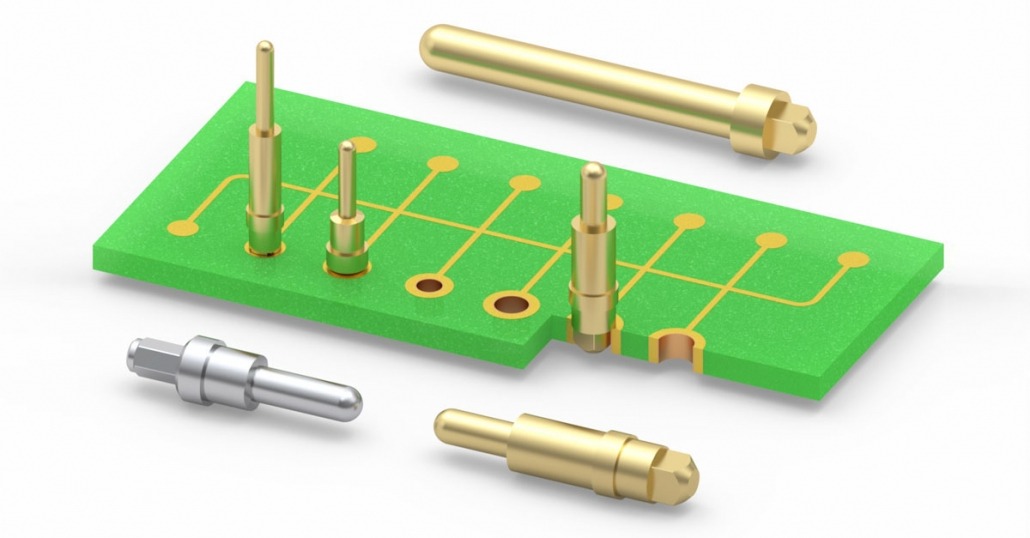
In modern electronics, even the smallest components can have a major impact on performance, reliability, and manufacturability. One such component is PCB pins, which play a vital role in connecting electronic components, ensuring stable signal transmission, and supporting mechanical strength in printed circuit boards. Whether you are designing simple consumer electronics or complex industrial systems, understanding PCB pins is essential for successful PCB fabrication and assembly. For a detailed technical overview of PCB pins, you can refer to this resource:
What Are PCB Pins?
PCB pins are conductive metal terminals used to create electrical and mechanical connections within or between printed circuit boards. They act as the interface between components, connectors, cables, and sometimes even other PCBs. Depending on the design, PCB pins may be permanently soldered or mechanically pressed into place.
These pins are commonly manufactured from copper alloys, brass, or phosphor bronze due to their excellent electrical conductivity and mechanical properties. To enhance performance and durability, PCB pins are usually plated with materials such as tin, nickel, gold, or silver.
In professional PCB manufacturing and PCB assembly, choosing the right type of pin is critical for achieving consistent quality and long-term reliability.
Why PCB Pins Are Essential in PCB Design
PCB pins serve several important functions in electronic systems:
Electrical Connectivity
They provide a stable and low-resistance path for electrical current and signals, ensuring reliable operation of circuits.
Mechanical Stability
Pins help secure components firmly to the PCB, especially in applications exposed to vibration, shock, or repeated mechanical stress.
Signal Integrity
In high-speed and high-frequency designs, well-designed pins help reduce signal loss, impedance mismatch, and electromagnetic interference.
Ease of Assembly and Maintenance
Certain pin configurations support modular designs, making assembly, inspection, and repair more efficient.
Because of these functions, PCB pins are a key consideration in advanced PCB solutions such as rigid-flex boards and high-frequency PCBs.
Common Types of PCB Pins
There are several types of PCB pins, each suited for different applications and manufacturing requirements.
Through-Hole PCB Pins
Through-hole pins are inserted into drilled holes in the PCB and soldered on the opposite side.
Advantages
Strong mechanical bonding
Suitable for high-current and high-stress applications
Common in industrial and power electronics
Limitations
Requires more board space
Less ideal for compact, high-density designs
Surface Mount PCB Pins
Surface mount pins are attached directly to pads on the PCB surface.
Advantages
Ideal for compact and high-density layouts
Compatible with automated PCB assembly
Lower cost for large-scale production
Limitations
Reduced mechanical strength compared to through-hole pins
Press-Fit PCB Pins
Press-fit pins are mechanically inserted into plated holes without soldering.
Advantages
Eliminates solder-related defects
Excellent for automotive and high-current application
Improves thermal reliabilit
Limitations
Requires precise hole size and plating control
Spring-Loaded (Pogo) Pins
Spring-loaded pins use internal springs to maintain contact pressure.
Advantages
Ideal for testing and temporary connections
Widely used in prototyping and inspection
Limitations
Not designed for permanent connections
Materials and Plating Used in PCB Pins
The choice of materials and plating has a direct impact on electrical performance and lifespan.
Base Materials
Copper alloys for excellent conductivity
Brass for cost-effective strength
Phosphor bronze for elasticity and durability
Plating Options
Gold plating for corrosion resistance and low contact resistance
Tin plating for solderability and affordability
Nickel plating as a barrier layer
Silver plating for superior high-frequency performance
High-quality PCB manufacturing often combines multiple plating layers to balance cost, durability, and performance.
Role of PCB Pins in Advanced PCB Technologies
As electronic devices become more compact and powerful, PCB pins must support increasingly complex designs.
PCB Pins in Rigid-Flex Boards
Rigid-flex PCBs combine rigid sections with flexible circuits and are widely used in aerospace, medical devices, and robotics.
PCB pins in rigid-flex designs must:
Maintain electrical stability during bending
Withstand mechanical stress
Support compact and lightweight assemblies
Specialized pin designs and precise manufacturing processes are required to meet these demands.
PCB Pins in High-Frequency PCBs
High-frequency PCBs are essential for RF applications, antennas, and telecommunications systems.
In these designs, PCB pins must:
Minimize signal loss
Maintain controlled impedance
Reduce parasitic effects
Poor pin design can significantly degrade signal quality, making precision engineering crucial in high-frequency PCB assembly.
Industry Applications of PCB Pins
PCB pins are used across a wide range of industries, each with unique requirements.
Telecommunications
Telecommunications equipment demands:
High-speed data transmission
Stable signal integrity
Long-term reliability
PCB pins used in telecom applications are carefully designed to support high-frequency signals and continuous operation.
Robotics and Automation
Robotic systems require:
High-density PCB layouts
Strong mechanical connections
Resistance to vibration and thermal cycling
Reliable pin connections ensure consistent performance in dynamic environments.
Consumer Electronics
Devices such as smartphones, laptops, and wearables rely on:
Miniaturized surface mount pins
Automated assembly processes
Cost-efficient production
Industrial Electronics
Industrial control systems prioritize:
Durability and robustness
High current handling
Easy maintenance
Through-hole and press-fit PCB pins are commonly used in these applications.
Key Design Considerations for PCB Pins
Selecting the right PCB pins requires careful evaluation of multiple factors:
Current and Voltage Requirements
Pins must safely handle electrical loads without overheating.
Signal Characteristics
High-speed and RF signals require specialized pin designs.
Mechanical Stress
Consider vibration, insertion cycles, and environmental conditions.
Board Thickness and Hole Tolerances
Precision is critical, especially for press-fit pins.
Assembly Method
Automated assembly may favor surface mount or press-fit solutions.
Working with experienced PCB manufacturers helps ensure optimal design choices and reliable production.
PCB Assembly Challenges Related to Pins
During PCB assembly, improper pin selection or installation can lead to issues such as:
Misalignment or incomplete insertion
Weak or cold solder joints
Excessive thermal stress
Inconsistent plating quality
Advanced PCB assembly processes use automated inspection systems, X-ray analysis, and strict quality control to minimize these risks.
Testing and Quality Assurance for PCB Pins
Quality PCB manufacturing includes rigorous testing of pin connections:
Electrical continuity testing
Mechanical pull and shear testing
Thermal cycling tests
Impedance and signal integrity testing
These procedures are especially important for mission-critical applications in telecommunications, robotics, and industrial electronics.
Future Trends in PCB Pin Technology
As electronic systems evolve, PCB pin technology continues to advance:
Higher-density pin configurations
Improved plating materials for extended lifespan
Enhanced designs for high-speed and high-frequency signals
Greater compatibility with automated manufacturing
These developments support the growing demand for compact, high-performance electronic products.
Conclusion
PCB pins may appear simple, but they are fundamental to the performance and reliability of electronic systems. From basic connectivity to advanced signal control, they play a crucial role in PCB fabrication and PCB assembly across industries such as telecommunications, robotics, and industrial automation.
A strong understanding of PCB pins helps engineers and manufacturers create durable, efficient, and future-ready designs. For an in-depth technical explanation and practical insights into pin structures and applications, this guide on PCB pins is a valuable reference globalwellpcba.
Disclaimer
The information provided in this article, “How to Understand PCB Pins and Their Applications,” is intended for general informational and educational purposes only. While every effort has been made to ensure the accuracy and reliability of the content, it should not be considered a substitute for professional engineering, manufacturing, or technical advice.
PCB design, PCB manufacturing, and PCB assembly involve complex processes that vary depending on application, environment, materials, and regulatory requirements. Readers are encouraged to consult qualified electronics engineers, PCB designers, or certified manufacturers before making design, production, or purchasing decisions based on the information in this article.