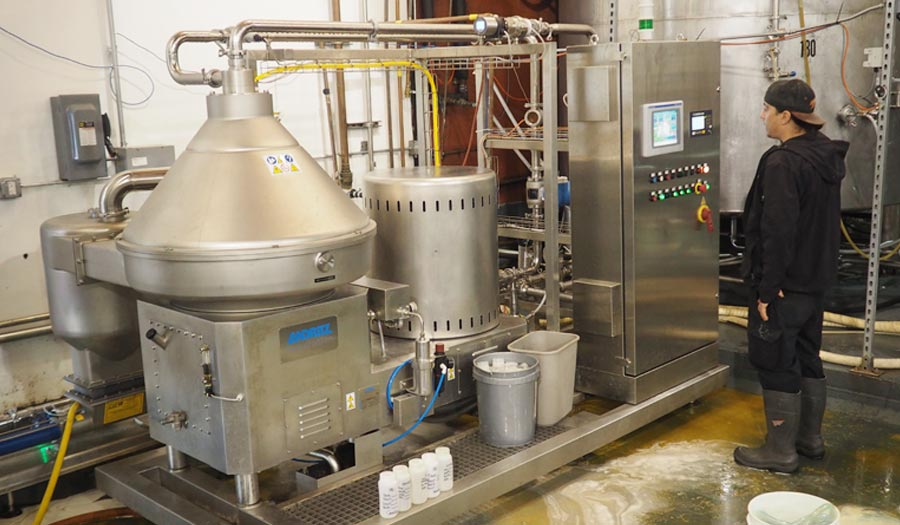
The global craft beer movement has transformed how breweries are designed, built, and operated. Today, many brewers—whether startups or expanding operations—are turning to imported craft beer brewing systems to access advanced engineering, competitive pricing, and scalable solutions.
However, importing brewing equipment is not just about buying tanks and installing them. It involves careful planning, understanding system components, evaluating suppliers, and ensuring that every piece of equipment integrates seamlessly into your production workflow.
This comprehensive guide will walk you through everything you need to know about imported craft beer brewing systems—from system components and layout design to installation, optimization, and long-term scalability.
What Are Imported Craft Beer Brewing Systems?
Imported craft beer brewing systems refer to brewing equipment sourced from international manufacturers rather than local suppliers. These systems often include complete brewery setups such as brewhouses, fermentation tanks, bright beer tanks, cooling systems, control panels, and packaging equipment.
Brewers choose imported systems for several reasons:
- Access to advanced manufacturing technology
- Competitive pricing compared to domestic options
- Customizable configurations
- Proven performance in global markets
Working with experienced providers offering complete brewery solutions—such as those found through professional brewery system manufacturers—can help ensure quality, compliance, and long-term reliability.
Key Components of a Craft Brewing System
Understanding the core components of a brewing system is essential before making any purchasing decisions.
Brewhouse System
The brewhouse is where wort is produced. It typically includes:
- Mash tun
- Lauter tun
- Brew kettle
- Whirlpool
Some systems combine these functions into fewer vessels, depending on size and efficiency requirements.
Fermentation Tanks
Fermentation tanks are where yeast converts sugars into alcohol. Most modern breweries use conical fermenters, also known as unitanks, which allow both fermentation and conditioning in one vessel.
Bright Beer Tanks
Bright tanks are used for carbonation, clarification, and storage before packaging. They play a key role in maintaining product consistency.
Cooling and Glycol Systems
Temperature control is critical in brewing. Glycol systems regulate fermentation temperatures and help maintain stable conditions throughout production.
Control Systems
Modern breweries often use automated control panels to monitor and manage temperature, pressure, and timing. Automation improves consistency and reduces labor.
Why Brewers Choose Imported Equipment
Imported brewing systems have become increasingly popular due to their balance of cost and performance.
One major advantage is customization. Many international manufacturers offer tailored solutions based on your brewery size, layout, and production goals.
Another benefit is scalability. Imported systems are often designed with expansion in mind, allowing breweries to add tanks or upgrade components as demand grows.
Additionally, competitive pricing allows brewers to invest more in other areas such as branding, marketing, or taproom design.
However, choosing the right supplier is critical. Reliable partners provide not only equipment but also engineering support, installation guidance, and after-sales service.
How to Choose the Right Brewing System Size
Selecting the correct system size is one of the most important decisions in brewery planning.
Small Breweries
Startup breweries often begin with 5BBL to 10BBL systems. These allow flexibility and lower initial investment while testing the market.
Mid-Size Breweries
Breweries producing 1,000–10,000 barrels per year typically use 10BBL to 30BBL systems. Efficiency becomes more important at this stage.
Large Breweries
For production above 10,000 barrels annually, systems may range from 30BBL to 100BBL or more. Automation and throughput are key priorities.
Choosing the right size ensures that your brewery can meet demand without unnecessary strain or wasted capacity.
Planning Your Brewery Layout
A well-designed layout is essential for efficient operations.
Your brewery should follow a logical flow:
Raw materials → Brewing → Fermentation → Conditioning → Packaging
Key layout considerations include:
- Floor drainage and sanitation
- Equipment spacing for maintenance
- Utility access (water, electricity, glycol)
- Future expansion space
Working with experienced providers of craft brewing equipment systems can help you design a layout that maximizes efficiency and minimizes operational challenges.
Installation and Setup Process
Installing imported brewing equipment requires careful coordination.
Pre-Installation Preparation
Before equipment arrives, ensure that your facility is ready:
- Utilities installed and tested
- Floor drains in place
- Adequate ceiling height and access
Equipment Installation
Most systems require professional installation to ensure proper alignment, sealing, and functionality.
Testing and Commissioning
After installation, the system must be tested to verify:
- Temperature control
- Pressure stability
- Flow rates
- Automation functions
Proper commissioning ensures that your brewery operates smoothly from day one.
Quality Control and Brewing Consistency
Consistency is one of the biggest challenges in brewing.
Imported systems often include advanced features that help maintain consistent results:
- Precise temperature control
- Automated brewing processes
- High-quality materials and construction
In addition to equipment, breweries must implement strong quality control practices, including regular testing and proper sanitation.
Cost Considerations and ROI
Imported brewing systems can offer significant cost advantages, but it’s important to consider total investment.
Costs include:
- Equipment purchase
- Shipping and import fees
- Installation and setup
- Facility preparation
While upfront costs may be lower than domestic options, long-term value depends on quality, durability, and support.
Investing in reliable equipment can improve efficiency, reduce downtime, and increase profitability over time.
Common Challenges and How to Overcome Them
Importing brewing equipment comes with unique challenges.
Shipping and Logistics
Delays can occur due to customs clearance or transportation issues. Working with experienced suppliers can help minimize risks.
Communication
Language and time zone differences may affect communication. Clear documentation and regular updates are essential.
Compliance
Ensure that equipment meets local regulations and safety standards.
By planning ahead and choosing the right partner, these challenges can be effectively managed.
Future-Proofing Your Brewery
The craft beer market is constantly evolving, so your brewery should be designed with flexibility in mind.
Consider:
- Modular equipment design
- Space for additional tanks
- Scalable utilities
- Automation upgrades
Future-proofing your brewery ensures that you can adapt to market changes and expand without major disruptions.
Conclusion: Building a Brewery That Lasts
Imported craft beer brewing systems offer a powerful combination of affordability, customization, and scalability. However, success depends on more than just choosing the right equipment—it requires thoughtful planning, proper installation, and ongoing optimization.
By understanding system components, selecting the right size, and designing an efficient layout, you can build a brewery that delivers consistent quality and supports long-term growth.
For brewers seeking dependable and high-performance solutions, Micet’s beer brewing equipment products are an excellent choice. With strong engineering capabilities, customizable designs, and reliable support, Micet provides brewing systems that help breweries succeed from startup to expansion.
FAQs
1. Are imported brewing systems reliable?
Yes, many imported systems are highly reliable when sourced from reputable manufacturers. Quality depends on materials, engineering, and supplier support.
2. How long does it take to install a brewing system?
Installation typically takes several weeks, depending on system size and facility readiness. Proper planning can reduce delays.
3. Can imported systems be customized?
Yes, most manufacturers offer customizable options based on your production needs, layout, and budget.
Disclaimer
This content is for informational purposes only and does not constitute professional, technical, or business advice. Brewing equipment selection, installation, and operation may vary based on local regulations, facility requirements, and individual business goals. Readers should consult with qualified engineers, suppliers, and regulatory authorities before making purchasing or operational decisions.