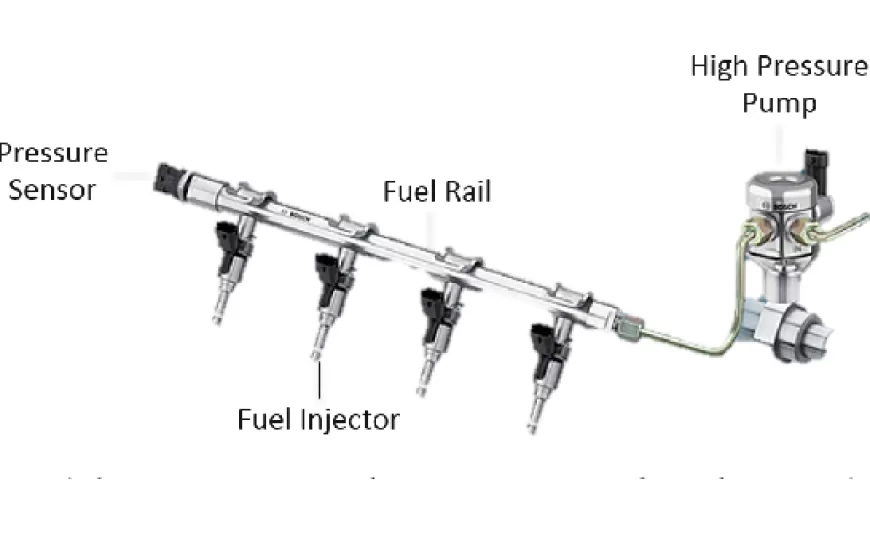
Modern gasoline direct injection (GDI) and diesel engines rely a lot on a high pressure fuel pump, for real, to keep things running right. This part sends fuel to the engine at extremely high pressure, so the injectors can spray a super fine fog directly into the combustion chamber. When the fuel delivery is accurate it can help combustion work better, it improves engine performance too, boosts fuel economy, and yeah also cuts down harmful emissions.
What Is a High Pressure Fuel Pump ?
A high pressure fuel pump is made to raise the pressure of fuel that comes from the low-pressure system. Today’s direct injection setups need way more pressure than older fuel injection arrangements. That’s exactly why the pump becomes a major part of the engine’s fuel delivery process. When the right pressure is kept steady, the injectors can release fuel precisely at the moment it’s needed, no guessing.
How a High Pressure Fuel Pump Works
It starts when fuel enters the pump from the low-pressure fuel system. Inside the pump, a piston moves downward to create suction, pulling fuel into the pump chamber through an inlet valve. Then as the piston moves back upward, the fuel gets compressed to a very high pressure. When the target pressure is reached, an outlet valve opens, and the pressurized fuel flows to the fuel rail , from there it distributes to the injectors so combustion can happen.
Why High Fuel Pressure Is Important
High fuel pressure lets injectors break the fuel into tiny droplets. Those smaller droplets help the engine burn the fuel more completely inside the cylinders. That usually means smoother acceleration, better throttle response , improved engine power, better fuel efficiency, and lower exhaust emissions overall. Without enough pressure, the engine just can’t hit its best performance, period.
Common Symptoms of a Failing High Pressure Fuel Pump
When a high pressure fuel pump starts to give up, it can throw out some noticeable clues. The engine might be stubborn to start , it may need longer cranking, it can hesitate during acceleration, idle in a rough way, lose power when you’re under load, or guzzle more fuel than normal. Often the check engine light shows up too, because the engine control unit picks up incorrect fuel pressure readings.
Causes of High Pressure Fuel Pump Failure
There are several reasons a high pressure fuel pump can fail. Contaminated fuel is probably the most common, since dirt, rust, or even water can damage internal pump parts. A clogged fuel filter can slow fuel flow and make the pump work harder than it should. Also poor-quality fuel, weak lubrication, excessive operating temperatures, and normal wear over years of use can all add up and eventually cause failure.
How to Extend the Life of Your Fuel Pump
The simplest route is regular maintenance. Swapping the fuel filter at the recommended intervals helps keep fuel flow clean, and it protects the pump from contaminants. Also using high-quality fuel from known suppliers, plus not running the fuel tank at a near empty level all the time, reduces stress on the fuel system and helps the pump last longer.
Choosing a Quality Replacement Pump
If you actually need to replace it, picking a quality high pressure fuel pump matters a ton. A good pump is made with durable materials, carefully engineered components, and tight quality-control standards. A dependable replacement helps restore proper fuel pressure, supports better engine performance, and usually offers a longer service life than cheaper, low-quality alternatives.
Final Thoughts
Honestly, the high pressure fuel pump is one of the key components in modern fuel injection. By pushing fuel at very high pressure, it helps engines deliver better performance, stronger fuel economy, and lower OSIAS fuel pump emissions. If you understand how it works, catch early failure signs, and stick with proper maintenance, you can help avoid expensive repairs and keep your engine running smoothly for a long time.