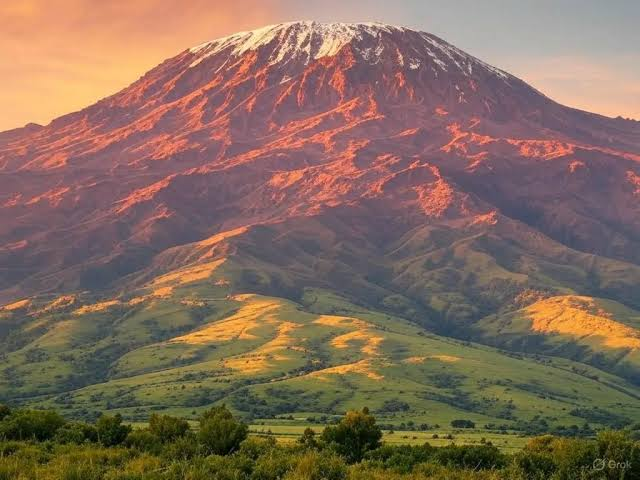
At 5,895 metres (19,340 feet), Mount Kilimanjaro is Africa’s highest mountain and the world’s tallest free-standing mountain. Its snow-covered summit is one of Tanzania’s most recognizable landmarks, attracting trekkers from around the world.
If you are considering climbing Kilimanjaro, one of the first questions you may ask is: How difficult is it to climb Mount Kilimanjaro?
The short answer is that Kilimanjaro is challenging, but it is achievable for many people with the right preparation. The routes are generally not technically demanding, meaning you do not need advanced mountaineering skills or specialized climbing equipment. The biggest challenges are altitude, long trekking days, cold temperatures, limited comforts, and the physical and mental demands of reaching the summit.
Is Kilimanjaro Hard to Climb?
Yes, climbing Kilimanjaro is challenging for most people, but the difficulty is not mainly caused by technical climbing.
Most routes involve hiking rather than technical mountaineering. You will not normally need ropes, harnesses, or climbing axes. Instead, the major challenge is adjusting to the high altitude.
Near the summit, the amount of available oxygen is significantly lower than at sea level. This can cause altitude-related symptoms such as headaches, dizziness, nausea, fatigue, and shortness of breath.
Cold temperatures and long days on the trail can add to the challenge. You will also spend several nights camping on most routes, with limited access to normal comforts such as hot showers.
For these reasons, Kilimanjaro should not be underestimated. With adequate preparation, a suitable route, enough time for acclimatization, and an experienced trekking team, however, many first-time climbers successfully reach Uhuru Peak.
What Makes Kilimanjaro Difficult?
Altitude on Kilimanjaro
Altitude is one of the biggest challenges faced by people climbing Kilimanjaro.
At the summit, the available oxygen is roughly half of what you experience at sea level. Your body therefore needs time to adjust as you ascend.
Altitude sickness can cause symptoms including:
- Headaches
- Dizziness
- Nausea
- Fatigue
- Shortness of breath
- Loss of appetite
One of the most important ways to reduce the risk of altitude-related problems is proper acclimatization.
Choosing a longer itinerary allows your body more time to adapt gradually to the increasing elevation. Routes taking six to nine days generally provide more time for acclimatization than very short itineraries.
You do not necessarily need specialized altitude training before climbing Kilimanjaro, but proper preparation and a sensible itinerary are extremely important.
Kilimanjaro Trekking Routes
Kilimanjaro has several established routes, and each has different characteristics in terms of distance, scenery, difficulty, and duration.
| Route | Approx. Distance | Typical Duration |
| Umbwe | 53 km | 5–7 days |
| Western Breach | 52 km | 6–7 days |
| Shira | 56 km | 6–8 days |
| Machame | 62 km | 6–7 days |
| Rongai | 70 km | 6–7 days |
| Lemosho | 70 km | 7–9 days |
| Marangu | 72 km | 5–6 days |
| Northern Circuit | 88 km | 8–9 days |
Longer routes such as Lemosho and the Northern Circuit generally provide more time for acclimatization. Machame and Rongai are also popular options for trekkers looking for a longer itinerary.
The Western Breach is considerably more demanding and should only be considered by appropriately prepared trekkers with suitable guidance.
Lemosho Route
The Lemosho Route is widely regarded as one of the most scenic approaches to Kilimanjaro. Its longer itinerary gives trekkers more time to adapt to altitude while enjoying varied landscapes along the way.
Marangu Route
The Marangu Route is sometimes called the “Coca-Cola Route.” Unlike most other routes, it uses mountain huts instead of tents, which can appeal to trekkers who prefer more established sleeping facilities.
Its shorter itinerary can make acclimatization more challenging, however, and the route can be busy during popular trekking periods.
Do You Need Special Climbing Equipment?
Kilimanjaro is different from technical mountain climbing because most routes do not require specialized equipment such as ropes, harnesses, or climbing axes.
However, this does not mean that preparation is unnecessary.
You still need suitable hiking boots, warm clothing, waterproof layers, trekking poles if preferred, a quality sleeping bag, and other essential trekking equipment.
The higher you climb, the colder the environment becomes, so having appropriate clothing and equipment is particularly important for summit night.
Camping and Sleeping Conditions
Your accommodation during the trek depends on the route you choose.
Most Kilimanjaro routes use tents, while the Marangu Route provides mountain huts.
Camping on the mountain can be one of the biggest adjustments for people who are used to comfortable hotels. You will spend several nights sleeping in a tent, often in cold conditions, and access to showers is generally very limited.
Toilets are available along the routes, although facilities can vary considerably between camps.
Being mentally prepared for these conditions can make the experience much easier.
Weather on Mount Kilimanjaro
Although Kilimanjaro is located near the equator, its high altitude means that conditions can become extremely cold.
The mountain has several climatic zones, and temperatures change dramatically as you gain elevation.
The drier periods are generally considered more comfortable for trekking. Popular trekking windows include July to October and December to February.
However, mountain weather can change quickly regardless of the season. Near the summit, temperatures can fall well below freezing, particularly during the night.
Warm base layers, an insulated jacket, gloves, a hat, waterproof clothing, and a good sleeping bag are therefore essential.
An experienced guide can also help you respond appropriately to changing weather and trail conditions.
How Fit Do You Need to Be to Climb Kilimanjaro?
You do not need to be an elite athlete to climb Kilimanjaro, but you should have a reasonable level of physical fitness.
Most trekking days involve walking for several hours over uneven terrain. The summit attempt is particularly demanding because you will hike for many hours at high altitude.
Summit night can involve a long ascent followed by a descent on the same day. This makes endurance extremely important.
Physical preparation should focus on:
- Cardiovascular endurance
- Long-distance walking
- Uphill hiking
- Leg and core strength
- Balance
- General stamina
Mental preparation is equally important. The cold, altitude, limited comforts, fatigue, and long trekking days can test your determination.
Training consistently before your trip can make the trek more manageable and help you enjoy the experience rather than simply trying to endure it.
How Difficult Is Kilimanjaro? Success Rates
Success rates vary depending on the route, itinerary, operator, acclimatization strategy, weather, and individual preparation.
In general, longer itineraries tend to produce better outcomes because they give trekkers more time to acclimatize.
This is one reason it is usually better to choose an itinerary based on safety and acclimatization rather than simply selecting the shortest or cheapest option.
A longer trek may cost more and require additional vacation days, but the extra time can significantly improve your ability to adjust to the altitude.
Can an Average Person Climb Kilimanjaro?
Yes. Many people who are reasonably active and properly prepared can climb Kilimanjaro.
You do not need previous high-altitude mountaineering experience to attempt the mountain. However, preparation is important.
Your chances of reaching the summit can be improved by:
- Starting physical training several weeks or months before the trek
- Choosing an itinerary with sufficient acclimatization time
- Walking regularly before your trip
- Preparing mentally for long trekking days
- Using appropriate clothing and equipment
- Choosing an experienced trekking operator
- Following your guide’s instructions
- Listening to your body at altitude
Most importantly, never ignore symptoms of altitude sickness. Your guide should monitor your condition throughout the trek and make safety the priority.
Frequently Asked Questions
How Many People Fail to Climb Kilimanjaro?
Some climbers do not reach the summit, with altitude being one of the main reasons. Poor acclimatization, inadequate preparation, illness, weather, and exhaustion can also affect a trekker’s ability to complete the climb.
Choosing a longer route and allowing sufficient time for acclimatization can improve your chances.
Is 50 Too Old to Climb Kilimanjaro?
Age alone does not determine whether someone can climb Kilimanjaro.
Many older travelers successfully reach the summit. Physical fitness, preparation, medical suitability, acclimatization, and the ability to handle long trekking days are much more important factors.
Anyone considering a high-altitude trek should discuss their individual circumstances with an appropriate medical professional before traveling.
Can a Beginner Climb Kilimanjaro?
Yes. Kilimanjaro can be climbed by beginners who prepare properly.
You do not need to have climbed a major mountain before. However, you should take the physical demands seriously and begin preparing well before your departure.
Choosing a longer route with good acclimatization opportunities can also make the experience more manageable.
Can You Combine Kilimanjaro With a Luxury Tanzania Safari?
Absolutely. One of the best ways to extend a Kilimanjaro trip is to combine the mountain trek with a wildlife safari afterward.
After several demanding days on the mountain, you can transition from trekking to relaxing in comfortable safari accommodation while exploring Tanzania’s famous wildlife destinations.
A Luxury Tanzania Safari can be an excellent way to continue your Tanzania journey after climbing Kilimanjaro, combining wildlife viewing, comfortable accommodation, and carefully planned game drives.
You could, for example, climb Kilimanjaro first and then continue to destinations such as Tarangire, Ngorongoro, and the Serengeti before finishing your trip with a few relaxing days in Zanzibar.
If You Can Dream It, You Can Climb It
Climbing Mount Kilimanjaro is challenging, but that is exactly what makes reaching Uhuru Peak so rewarding.
The mountain does not require advanced technical climbing skills, but it does demand patience, endurance, preparation, and respect for altitude.
The most important factors are choosing the right route, allowing enough time to acclimatize, preparing physically and mentally, and traveling with an experienced trekking team.
Once you reach the summit and look across the landscapes of Tanzania from the highest point in Africa, the effort of getting there becomes part of what makes the experience so memorable.
For many travelers, climbing Kilimanjaro is not simply about reaching the top. It is about the journey, the changing landscapes, the people you meet, and the satisfaction of overcoming a challenge that once seemed impossible.