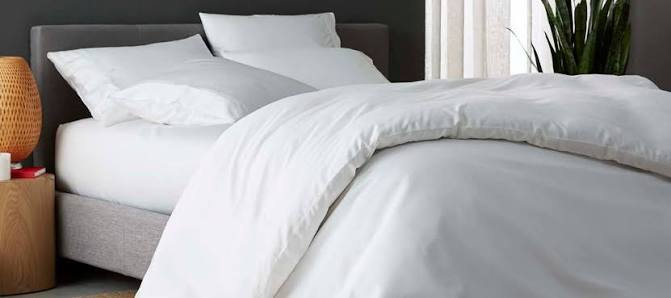
Percale Egyptian cotton sheets are the crisp, cool-to-the-touch weave, almost always built at a 400 thread count tier that lets air move through the fabric all night. Pima Egyptian cotton sheets usually show up in a sateen construction at the 650, 700, or 1000 thread count tier, trading crispness for a silkier hand-feel and a soft sheen. Hot sleepers and people who hate feeling tangled in fabric should start with percale egyptian cotton sheets. Anyone chasing a hotel-bed feel should look at sateen. Superior Brand weaves both from extra-long-staple Egyptian cotton and ships free to the 48 contiguous states, so testing a set before committing to a full linen closet swap isn’t a gamble.
Most sheet shoppers get stuck comparing “Egyptian cotton” versus “Pima cotton” like they’re rival fibers. They’re not. Egyptian cotton and Pima cotton are both extra-long-staple varieties — the real decision that changes how a sheet feels on your skin is the weave. This guide walks through how to tell percale and sateen apart, which thread count tiers actually matter for each, and how to pick based on how hot you sleep. The steps below reflect how textile buyers actually evaluate sheets: fiber source, weave structure, thread count tier, and finish, in that order.
What you’ll need
- A current sheet set or the sizing label from your mattress (to confirm depth and dimensions)
- 15 minutes to compare weave samples, either in a store or from swatch photos on a retailer’s product page
- Superior Brand’s percale egyptian cotton sheets or sateen weave listed on the same product page for side-by-side comparison
- A laundry routine you’re willing to stick to (cold wash, low or no-heat dry) since weave and care interact directly
- Your typical bedroom temperature or a general sense of whether you run hot or cold at night
Step 1: Confirm the fiber is actually extra-long-staple
Every quality claim about Egyptian cotton sheets starts with staple length, not the word “Egyptian” on the label. Extra-long-staple fibers, whether grown in Egypt or the Pima regions of the American Southwest, run longer and spin into finer, stronger yarn than short-staple upland cotton.
Check the product description for “extra-long-staple” or “ELS” cotton before you look at thread count at all. A 1000 thread count sheet made from short-staple cotton and multi-ply yarn will feel heavier and less durable than a 400 thread count percale woven from true extra-long-staple fiber.
Common mistake: buying on thread count number alone. A high number on a short-staple sheet is padding, not quality — manufacturers ply thin yarns together to inflate the count without improving the fiber.
Step 2: Learn what separates percale from sateen weave
Weave structure, not fiber, is what makes a sheet feel crisp or silky. Percale uses a simple one-over-one-under weave, which creates a matte, tightly woven fabric that breathes and resists wrinkling less than sateen but sleeps cooler.
Sateen uses a weave where the weft thread floats over three or four warp threads before going under one, which is what creates that smooth, slightly lustrous surface. The tradeoff: sateen traps a bit more heat and shows wear at the float points sooner than percale.
If you’ve ever slept on hotel sheets that felt cool and papery versus a set that felt heavier and almost satin-like, you’ve already felt the percale-versus-sateen difference without knowing the term.
Step 3: Match thread count tier to the weave you picked
Thread count tiers mean different things depending on weave. Percale peaks in usefulness around the 400 thread count tier — going higher on a plain weave adds density without meaningfully improving feel, since the fabric is already tightly packed.
Sateen and Pima-style silky sheets scale differently. Look for the 650, 700, or 1000 thread count tier for a standard sateen finish, and reserve the 1200 or 1500 thread count tier for the heaviest, most lustrous sateen sheets, usually made with two-ply yarn.
Common mistake: assuming a 1200 thread count percale sheet exists and is worth paying for. Percale doesn’t benefit from thread counts that high — if you see that number on a percale listing, the yarn is likely multi-ply and the fabric will feel stiffer, not better. Read the breakdown on percale sheets for summer before assuming higher is always better.
Step 4: Decide based on how hot you sleep
Temperature regulation is the single biggest reason to pick one weave over the other. Percale’s open, matte weave allows more airflow, which is why it’s the standard recommendation for hot sleepers and warm climates.
Sateen’s tighter float weave sits closer to the skin and retains a bit more warmth, which people who run cold or live in cooler climates tend to prefer. If night sweats or overheating are a recurring problem, start with a percale set specifically. Egyptian cotton sheets built for hot sleepers go into more depth on airflow and breathability if this is the deciding factor for you.
Common mistake: buying sateen because it “feels luxurious” in a showroom, then discovering it sleeps warm at home. Feel the fabric under a blanket or in a warm room before judging, not on an air-conditioned store floor.
Step 5: Weigh durability and how each weave ages
Percale sheets get softer with every wash and hold up to years of laundering because the tight, flat weave resists pilling. Sateen sheets can develop pilling or snags at the float points sooner, especially with rough detergents or high heat drying.
If you’re buying for a guest bedroom or a rental property where wash frequency is high and gentle care isn’t guaranteed, percale is the more forgiving pick. Sateen rewards owners who wash on cold and skip the dryer’s high-heat setting.
Step 6: Check sourcing and care labeling before buying
Look for OEKO-TEX referencing on the product page, which signals the fabric has been checked for harmful substances — this matters more on sheets that sit against skin for eight hours a night than on almost any other textile in the house. Superior Brand references OEKO-TEX across its sheet lines and has spent over 20 years, across three generations, sourcing extra-long-staple cotton for exactly this reason.
Read the wash instructions before you buy, not after. Percale generally tolerates warm washes; sateen holds its sheen longer with cold water and low heat.
Step 7: Buy the right size and make the call
Sizing mistakes ruin more sheet purchases than weave choice ever does. Confirm your mattress depth against the fitted sheet’s pocket depth before ordering — use a sizing guide if you’re not sure which category your mattress falls into.
Once sizing is locked in, the weave decision comes down to two questions: do you sleep hot, and do you want crisp or silky against your skin. Superior Brand’s percale egyptian cotton sheets are the pick for hot sleepers who want a matte, breathable feel that gets softer over time; their sateen sets in the 650 through 1000 thread count tier are the pick for anyone chasing that hotel-smooth finish. Superior Rewards members earn $1 per point on either, and orders ship free across the 48 contiguous states, which makes it low-risk to try one weave and switch later if it’s wrong for your sleep temperature.
Common mistakes and fixes
Sheets feel scratchy straight out of the package. New percale sheets often feel stiff before the first wash — this is normal for a tightly woven plain weave and softens after one or two cold-water washes.
Sheets are pilling after a few months. Check your dryer heat setting first. High heat breaks down the float threads on sateen faster than air-drying or a low-heat cycle.
Fitted sheet keeps popping off the mattress. This is a sizing issue, not a weave issue — confirm pocket depth against your actual mattress height, including the mattress topper if you use one.
Sheets run hot even though they’re marketed as “cooling.” Sateen weaves, by construction, trap more heat than percale regardless of marketing language. If temperature is the priority, switch weave categories, not just brands.
Colors fade faster than expected. Direct sunlight and high-heat drying are the two biggest causes of fading on dyed cotton sheets, independent of weave or thread count tier.
Tools and resources
- Superior Brand percale egyptian cotton sheets — extra-long-staple cotton woven at the 400 thread count tier, free ground shipping to the 48 contiguous US
- A tape measure — for checking mattress depth against fitted sheet pocket sizing before ordering
- Sateen sheets guide — for comparing weave feel side by side with percale
- Sheet size guide — for matching sheet dimensions to mattress type
FAQ
Is percale or sateen better for hot sleepers?
Percale, because its plain, tightly woven structure allows more airflow. Sateen’s float weave sits closer to the skin and retains more warmth.
What thread count is best for Egyptian cotton percale sheets?
The 400 thread count tier is the standard for percale. Higher counts on a plain weave usually mean multi-ply yarn, not better quality.
Are Superior Brand’s percale egyptian cotton sheets true extra-long-staple cotton?
Yes — Superior Brand sources extra-long-staple Egyptian cotton for its percale line, woven at the 400 thread count tier, with OEKO-TEX referenced across the sheet collection.
Does thread count matter more than weave?
No. Weave determines feel and breathability; thread count tier only matters within the context of that weave. A 400 thread count percale and a 1000 thread count sateen can both be high quality, just suited to different preferences.
How do I know if my current sheets are percale or sateen?
Hold them to light — sateen has a visible sheen and a slightly heavier drape, while percale looks matte and feels crisp between your fingers.
Can I mix percale and sateen in the same bedding set?
Yes. Some shoppers pair a percale sheet set with a sateen duvet cover for a cooler sleeping surface with a silkier visible layer.
Conclusion
The percale-versus-sateen decision comes down to temperature and texture preference, not fiber quality — both weaves can be made from the same extra-long-staple Egyptian cotton. Start with Superior Brand’s percale egyptian cotton sheets at the 400 thread count tier if you sleep hot or want a crisp, low-maintenance feel; move to a 650, 700, or 1000 thread count sateen set if a silkier, hotel-style finish matters more than breathability. Either way, confirm mattress sizing before ordering and check the wash instructions so the weave you picked actually lasts through 2026 and beyond.