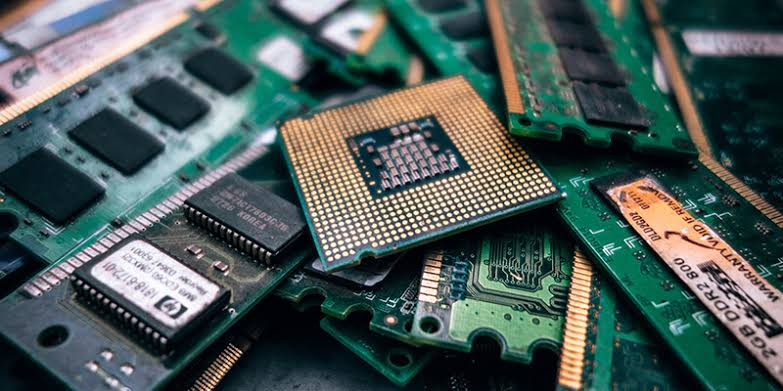
A laptop that is not in use on a storage shelf is not seen as dangerous. However, the data in it can contain personal records, account information, and confidential information. And the main purpose of IT asset disposition is to deal with the old technological tools of the company properly, with security, legality, and without wasting the value of the hardware.
What IT Asset Disposition Actually Covers
Disposing of IT assets, or simply ITAD, refers to the organized procedure of accommodating all devices which can no longer be used. This encompasses data destruction, repair, as well as resale into an eco-friendly recycling process. Unlike other forms of disposal involving throwing away used gadgets, disposing of IT assets means the way one handles devices from the beginning until the time the gadgets have been successfully put out of commission through destruction or resale.
The implication of loss does not stop at shutting off the device, but rather goes beyond, continuing up to the moment of destruction confirmation. Therefore, a formal process of disposing of the IT assets becomes necessary in this case.
Why Chain of Custody Matters
Chain of custody is a key pillar of any good IT asset disposition program. It means that every single piece of equipment is tracked from the time that it is collected to transportation and processing and eventually dropped off, with records created at each step of the process. Without chain of custody, devices might just disappear, be sold with the data on them, or simply never leave any trace when an audit is performed.
This isn’t merely a theory. A case from the year 2025 shows that one of the drivers of an ITAD company that worked with governmental properties pleaded guilty to stealing devices that were previously expected to be disposed of. This is why it’s so important to track the devices as they move along the chain of custody.
The Core Steps of a Secure ITAD Process
A competent IT asset disposition service provider usually undertakes the same basic steps:
- Create a catalogue and label every device according to its serial number, location, and last user.
- Safely transport equipment with evidence of custody.
- Clean the data with the help of processes offered by NIST SP 800-88, such as wiping, degaussing, or destroying the device.
- Determine the condition of the hardware for refurbishment or resale.
- Recycle the rest properly by separating metals, plastics, and hazardous parts.
- Issue destruction certificates and a full report.
If one of the stages of the process is missed, the whole operation will be reduced to zero.
Recovering Value, Not Just Managing Risk
IT asset recycling is not only concerned with risk removal. It is also about the return of value. Companies can recuperate 15%-40% of an asset’s original worth by means of resale, refurbishment, or by recovering pieces from the equipment. This, combined with the lowered recycling costs, will save a company a lot of money while still ensuring compliance.
The Cost of Getting It Wrong
A financial threat exists in this situation. According to IBM’s Cost of a Data Breach Report from 2025, the typical breach cost globally is $4.44 million. Just a single retired device with uncleaned data could lead to a breach of this nature, along with a host of legal repercussions from adhering to regulations such as GDPR, HIPAA, or SOX.
Final Thoughts
The process of retiring technology is standard practice, but taking it lightly is unacceptable. The right IT asset disposal process ensures your data is protected and value is recovered while providing your company with documentation in the case of investigations. Collaborating with a certified provider contributes to efficient management of obsolete IT equipment.