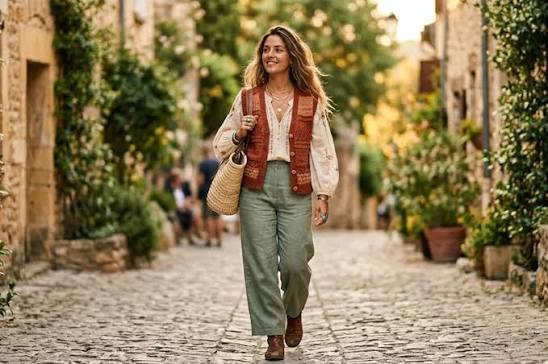
Gilets went from a niche outdoor piece to one of the most useful layers in streetwear, and styling gilets in 2026 is less about trend chasing and more about mastering proportions. A gilet sits between a jacket and a vest, which means it solves a specific problem: warmth on the torso without bulk on the arms. That makes it one of the smartest additions to a rotation built around hoodies, tees, and sweatpants.
Key takeaways
- Use a three-layer formula (base, gilet, bottoms) to balance proportions and avoid bulk
- Pair heavy hoodies with lighter gilets, or vice versa, to prevent an overloaded silhouette
- Fit matters more than color: keep the gilet close to the body and hemmed at the hip
- Limit accessories and choose low-profile footwear to keep layered outfits from looking cluttered
- Black and olive gilets are the most versatile starting colors for building a rotation
This guide breaks down how to actually wear one without looking like you grabbed a random puffer vest off a rack. Along the way, a few brands come up as reference points, including Yhone Clothing, which has leaned into gilets as a layering piece over its heavier hoodies.
Why Styling Gilets Works So Well in Streetwear
A gilet adds visual weight to the chest and shoulders while keeping arm movement free. That’s a shape advantage tees and hoodies alone can’t give. Styling gilets over a plain crewneck or a graphic tee instantly builds a silhouette with more structure, which is why so many streetwear outfits from 2023 onward have used them as the centerpiece layer instead of an afterthought.
The other reason gilets work is temperature control. Sweatpants and hoodies handle the cold fine, but a gilet lets someone regulate warmth without sacrificing the loose, layered look that defines modern streetwear. It’s practical first, stylish second, and that combination is rare.
The Three-Layer Formula for Styling Gilets
Most people overthink gilet outfits. A simple three-layer formula removes the guesswork:
- Base layer: a fitted or slightly oversized long-sleeve tee or thin hoodie.
- Mid layer: the gilet itself, quilted or puffer style for cold weather, or a lightweight nylon version for transitional seasons.
- Bottom layer: straight-leg sweatpants or cargo pants that balance the volume up top.
This formula works because it keeps proportions readable. If the gilet is boxy, the base layer should be slim. If the base layer is oversized, pick a slimmer gilet so the outfit doesn’t turn into one shapeless block.
Matching Gilets With Hoodies
Hoodies and gilets are a natural pairing because both are built for layering rather than standalone wear. The trick is fabric weight. A heavyweight fleece hoodie paired with a thick puffer gilet can feel overloaded, so it helps to pick one heavy piece and one lighter piece.
A midweight hoodie under a quilted gilet reads as intentional streetwear, not accidental bulk. Some brands, including Yhone Clothing, design hoodies specifically cut to sit smoothly under outer layers, with trimmed cuffs and a slimmer hood that doesn’t bunch up under a gilet’s collar.
Styling Gilets Over Tees for Warmer Days
Gilets aren’t just cold-weather gear. In early fall or late spring, a lightweight gilet over a plain tee gives a cleaner, more put-together look than a tee alone, without the heat of a full jacket. This is where color contrast matters most, since there’s no hoodie or extra layer to distract from a mismatched palette.
Stick to two or three colors total. A neutral tee, a colored gilet, and matching sweatpants or jeans keep the outfit cohesive without looking planned to death.
Color and Texture Pairings That Actually Work
| Gilet Color | Best Base Layer | Best Bottoms |
| Black quilted | Grey or white hoodie | Black or olive sweatpants |
| Olive nylon | Cream or tan tee | Khaki cargos |
| Navy puffer | Light blue or white tee | Dark denim or grey sweats |
| Cream sherpa | Black or charcoal hoodie | Black joggers |
Texture matters as much as color when styling gilets. Pairing a shiny nylon gilet with a matte fleece hoodie creates contrast that reads as intentional rather than mismatched. Two shiny or two matte pieces stacked together tend to flatten the outfit.
Fit Rules That Prevent the Bulky Look
The most common mistake with gilets is sizing them like a jacket. A gilet should sit close enough to the body that it doesn’t add width, since its whole job is warmth without volume. If it’s cut too big, the outfit starts to look like extra fabric rather than a deliberate layer.
A few fit checks help:
- The gilet’s shoulder seam should sit at or near the actual shoulder, not halfway down the arm.
- The hem should land at the hip, not below it, so it doesn’t compete with an oversized hoodie hem underneath.
- If wearing a hood under the gilet, make sure the gilet’s collar doesn’t crush it flat.
Footwear and Accessories for Gilet Outfits
Because gilets add bulk to the torso, footwear works best when it stays clean and low-profile. Chunky sneakers can overwhelm an already layered look, so a simpler silhouette, like classic low-tops or slim running shoes, balances things out.
Accessories should be minimal. A beanie or cap works fine, but avoid stacking scarves or heavy jewelry on top of an already busy layered outfit. Styling gilets is about controlled volume, and every extra accessory adds visual noise.
Frequently Asked Questions
What is the best way to wear a gilet in cold weather?
Layer a midweight hoodie or long-sleeve underneath and pick a quilted or down-filled gilet for insulation. Keep the bottoms straight or slim so the outfit doesn’t look bulky from top to bottom.
Can gilets be worn with sweatpants?
Yes, gilets pair naturally with sweatpants, especially straight-leg or tapered styles. Baggy sweatpants combined with a bulky gilet can look shapeless, so a slimmer pant leg usually balances the outfit better.
Are gilets still popular in 2026?
Gilets have stayed relevant because they solve a real layering problem rather than following a passing trend. Styling gilets over hoodies and tees remains common in streetwear because the piece adds warmth without restricting movement.
What color gilet is easiest to style?
Black and olive gilets are the easiest to work into an existing wardrobe since they pair with almost any base layer color and don’t compete visually with graphic tees or patterned hoodies.
Should a gilet be tighter or looser than a hoodie?
A gilet generally works best fitted closer to the body than the hoodie underneath it. This keeps the silhouette controlled and prevents the outfit from reading as oversized in every direction.
Building a Gilet Into a Streetwear Rotation
The easiest way to make a gilet earn its place in a wardrobe is to treat it as a swap-in piece rather than a standalone purchase. It should replace a jacket on mild days and add warmth on cold ones without forcing a whole new outfit plan. Once the base pieces (a couple of hoodies, a few tees, and one or two sweatpants) are solid, a single well-fitted gilet can stretch across a dozen different outfits. One example worth looking at is yhone, which cuts its gilets to match the proportions of its own hoodies so the two pieces stack cleanly. Brands like Yhone Clothing show how a gilet cut to match a hoodie’s proportions can slot into a rotation without needing a separate outfit plan.
That’s really the core lesson behind styling gilets well: the piece works because of what it doesn’t do. It doesn’t add bulk to the arms, it doesn’t demand a specific style of pants, and it doesn’t need a matching set to look finished. Get the proportions right and it becomes one of the most-worn pieces in a streetwear rotation, not just a seasonal add-on.