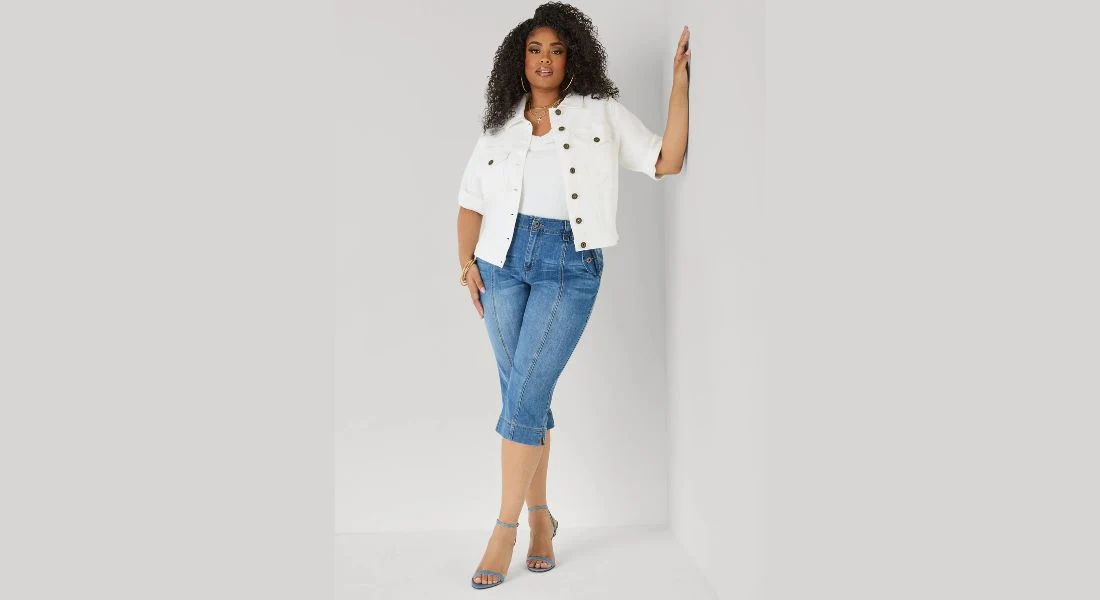
A good work jacket earns its place in a wardrobe by doing two jobs at once: looking sharp and surviving actual wear. Building solid work jacket outfits isn’t about buying the toughest canvas you can find and hoping for the best. It’s about pairing structure with the right layers underneath, so the jacket reads as intentional rather than accidental. This guide breaks down how to put together these outfits for commuting, weekend errands, and everything in between, with a few notes on how graphic layers change the equation.
Key takeaways
- Balance a boxy work jacket with slimmer base layers and trousers to avoid a bulky silhouette
- Denim, canvas and waxed cotton each behave differently and suit different seasons
- Straight-leg jeans and tapered chinos are the safest trouser pairings for work jacket outfits
- Minimal accessories and simple boots keep the utilitarian look from becoming costumey
- Plan proportions first (jacket weight, base layer slimness, trouser width) before picking colours
What Makes a Work Jacket Different From a Regular Jacket
Work jackets are built from heavier fabrics like waxed cotton, duck canvas, or heavyweight denim. They usually have a boxier cut, reinforced seams, and functional pockets meant for tools rather than phones. That boxiness is exactly why work jacket outfits need a bit more thought than a slim bomber or a soft-shell.
The trick is balancing volume. A wide jacket paired with wide trousers turns into a sack of fabric. A wide jacket paired with something slimmer underneath, like a fitted tee or slim denim, gives the outfit a shape instead of just bulk.
Building Work Jacket Outfits From the Base Layer Up
Start with the base layer, not the jacket. A plain crewneck tee, a graphic tee, or a lightweight hoodie all work differently under a stiff canvas shell. Thinner layers slide in cleanly and let the jacket’s cut show. Thick fleece hoodies bulk things out fast, so size the jacket one notch up if that’s the plan.
- Plain cotton tee: cleanest silhouette, best for layering under a buttoned jacket
- Graphic tee: adds a focal point when the jacket is a solid, neutral colour
- Lightweight hoodie: good middle layer for cooler weather without adding bulk
- Heavyweight hoodie: works only if the jacket runs a size roomy
Anyone experimenting with proportions can look at how handsome boys club approaches graphic layering under structured outerwear, since bold prints on a plain base tend to read better under a heavy jacket than busy patterns competing with the jacket’s own texture.
Denim, Canvas or Waxed Cotton: Choosing the Jacket Fabric
Fabric changes how a work jacket outfit ages and behaves day to day.
| Fabric | Best for | Care notes |
| Denim | Everyday wear, softens with use | Wash sparingly, expect fading |
| Duck canvas | Rougher outdoor days, high durability | Stiff at first, breaks in over months |
| Waxed cotton | Wet weather, rugged look | Needs occasional rewaxing |
Denim work jackets pair naturally with other denim pieces, though matching washes too closely can look accidental rather than styled. A quick browse through handsome boys club denim shows a few ways contrast washes and slightly oversized cuts keep double denim from looking like a uniform.
Trousers That Actually Work With a Work Jacket
The bottom half of the outfit matters as much as the top. Straight-leg or slightly tapered trousers balance a boxy jacket without fighting it for space. Cargo trousers lean into the utility theme but can tip into costume territory if the jacket already has heavy pockets and hardware.
Safe Combinations
- Straight jeans with a canvas chore jacket
- Tapered chinos with a denim work jacket
- Slim joggers with a waxed cotton jacket for a smart-casual mix
Combinations to Avoid
- Wide cargo trousers with a jacket that already has bellow pockets
- Baggy sweatpants with stiff waxed cotton, which tends to look mismatched in texture
Footwear and Accessories for a Work Jacket
Boots are the natural partner for work jacket outfits, but not every boot suits every jacket. Leather work boots with a rounded toe match canvas and waxed cotton well. Cleaner sneakers work better with denim jackets, especially if the rest of the outfit leans casual rather than rugged.
Accessories should stay minimal. A canvas tote or a simple crossbody bag fits the utilitarian mood without overloading the outfit. Beanies work in cold months; caps work the rest of the year. Avoid stacking too much hardware (belts, chains, multiple bag straps) since work jackets already carry visual weight from their pockets and stitching.
Seasonal Adjustments for a Work Jacket
Layering changes with temperature, and these outfits need to flex with the season rather than staying fixed.
- Spring and autumn: tee or light hoodie underneath, jacket worn open
- Winter: heavier hoodie or flannel underneath, jacket buttoned or zipped, scarf optional
- Summer evenings: jacket worn over a tee and draped rather than worn, mostly for cooler nights out
In colder months, a work jacket can replace a coat entirely if it’s lined or paired with a warm hoodie. That’s often more practical than owning a separate heavy coat for a handful of freezing weeks.
Common Mistakes in Work Jacket Outfits
A few recurring errors show up across these outfits that otherwise look promising.
- Sizing the jacket too small, which kills the utility silhouette it’s meant to have
- Wearing slim-fit everything underneath, which flattens the outfit instead of giving it shape
- Ignoring colour contrast between jacket and trousers, leading to a flat, monotone look
- Overloading pockets with visible bulk, which throws off the jacket’s clean lines
Getting the fit right the first time saves a lot of second-guessing later. Trying on a jacket over the exact hoodie or tee planned for regular wear, rather than a thin dress shirt, gives a much more honest read on how the outfit will actually sit.
A Simple Framework for Planning Work Jacket Outfits
Instead of picking pieces at random, work through three questions in order: how heavy is the jacket, how slim does the base layer need to be to balance it, and does the trouser leg width match the jacket’s boxiness. Answering those three in sequence removes most of the guesswork that leads to bulky, mismatched outfits. It’s a small mental checklist, but it covers the proportion issues that trip up most work jacket outfits before they even get to colour or accessories.
Brands building around graphic streetwear, including handsome boys club, tend to keep their jackets in solid colourways specifically so the outfit’s personality comes from the tee or hoodie underneath rather than competing prints. That’s a useful cue for anyone assembling their own rotation of work jacket outfits at home.
Frequently Asked Questions
What should I wear under a work jacket?
A plain or graphic tee works well in mild weather, while a lightweight hoodie suits cooler days. Keep the base layer slimmer than the jacket itself so the outfit keeps its shape.
Can I wear a work jacket with jeans?
Yes, straight-leg jeans are one of the most reliable pairings for this kind of outfit. Just avoid matching the exact denim wash of the jacket too closely, since that can look unintentional.
Are work jackets good for winter?
Lined or waxed cotton work jackets can handle cold weather well, especially layered over a heavy hoodie. Unlined canvas versions are better suited to spring and autumn.
What boots go best with a work jacket?
Leather work boots with a rounded toe complement canvas and waxed cotton jackets. Clean sneakers suit lighter denim work jackets for a more casual finish.
How do I keep a work jacket outfit from looking bulky?
Balance the jacket’s volume with slimmer trousers and a fitted base layer. Save heavier hoodies for jackets sized a notch roomier.
None of this requires a full wardrobe overhaul. One solid canvas or denim jacket, a couple of tees, a hoodie, and a pair of straight-leg trousers cover most of the ground needed for reliable work jacket outfits across three seasons.