You depend on copper every day — in your phone, car, home wiring, and clean-energy tech — and that dependence drives a global hunt to find, extract, and refine it. Copper mining turns geology into the metal that powers modern life, and understanding how it’s sourced, processed, and regulated helps you judge its costs, benefits, and future supply risks.
This article guides you through how copper moves from ore to usable metal, the technologies and trade-offs in mining and processing, and the economic and environmental pressures shaping projects worldwide. Expect clear explanations of mining methods, the industry’s role in local and global economies, and the environmental safeguards and controversies that influence whether a mine goes forward.
Copper Mining Process
You will encounter three main stages: locating ore bodies, choosing how to extract them, and converting ore into concentrated, marketable copper. Each stage demands specific techniques, equipment, and environmental controls.
Exploration and Discovery
You start with geological mapping and remote sensing to identify favorable rock types and structures that host copper minerals. Drill programs then confirm depth, grade, and continuity; core sampling provides the data you need to build a resource model.
During exploration you collect assays for copper, gold, silver, and deleterious elements. You also assess hydrogeology, metallurgical test results, and access logistics. Permitting and baseline environmental studies often run in parallel because they shape mine feasibility.
Key outputs you should expect:
- Resource and reserve estimates (tonnage, grade)
- Metallurgical recovery projections
- Environmental baseline reports and initial social engagement
Extraction Techniques
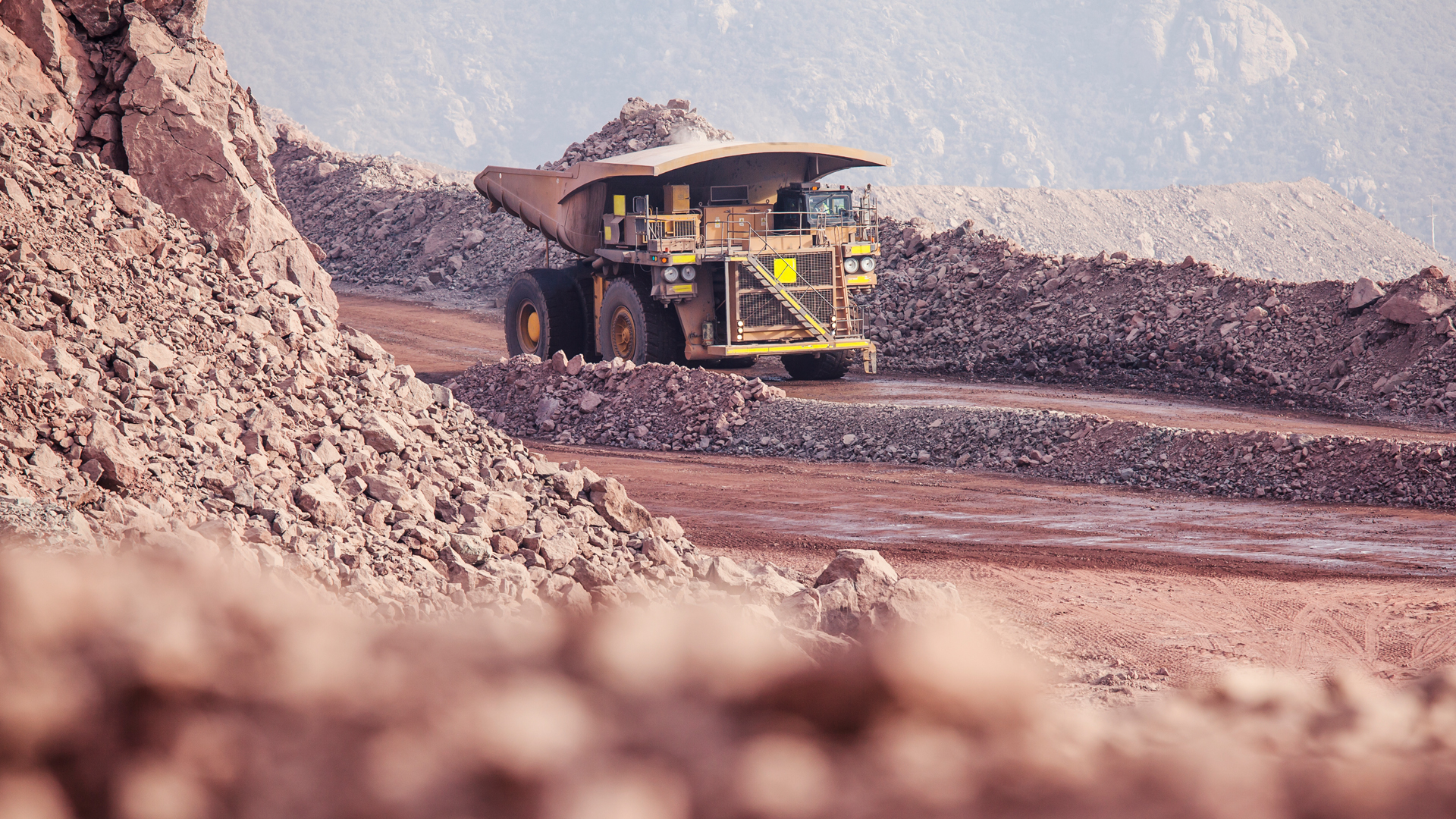
You select open-pit or underground mining based on ore depth, geometry, and economics. Open-pit mining uses drilling, blasting, and truck–shovel fleets to move large volumes when ore sits near the surface. You measure strip ratio and haulage cost to judge viability.
Underground methods—like block caving, sublevel stoping, or cut-and-fill—suit deep or high-grade orebodies. Ventilation, ground support, and ore handling systems become primary design drivers. Safety, dilution control, and ore blending plans affect recovered grade.
Operational metrics you will track include:
- Daily tonnes mined
- Dilution and recovery rates
- Fuel and haulage costs per tonne
Ore Processing and Concentration
You separate copper minerals from gangue using physical and chemical processes tailored to ore type. For sulfide ores, you typically use crushing, grinding, and flotation to produce a copper concentrate (25–35% Cu) for smelters. For oxide ores, you often apply heap leaching followed by solvent extraction and electrowinning (SX-EW) to produce cathode copper.
Metallurgical test work guides grind size, reagent selection, and expected recovery. You monitor slurry density, flotation kinetics, and impurity levels closely. Key plant outputs you will manage:
- Concentrate grade and moisture
- Cathode purity and production rate
- Tailings characteristics and water recovery rates
Economic and Environmental Impact
This section explains where most copper comes from, how copper affects national and local economies, and the specific environmental controls and trade-offs involved in modern mining. You will find production concentration, revenue and job figures, and concrete environmental management practices.
Global Copper Production
You rely on a few countries for most mined copper. Chile produces roughly 25–30% of global mined copper and hosts the world’s largest open-pit mines. Peru, China, the United States, and the Democratic Republic of Congo follow as major producers, together accounting for the majority of global output.
Production concentrates in large porphyry deposits that yield high annual tonnages. Mining operators often report production in millions of metric tonnes of copper cathode equivalent per year; for example, some single mines produce several hundred thousand tonnes annually. You should expect supply to be sensitive to strikes, permitting delays, and capital-intensive expansions, which can tighten markets and influence prices.
Economic Significance
Copper underpins electricity grids, telecommunications, construction, and electric vehicles, so demand growth directly affects GDP and trade balances in producing countries. You will see copper revenues contributing sizable shares to export earnings and government budgets in major producers, often funding infrastructure and social programs.
Mining generates direct jobs at mines and indirect employment in processing, transport, and services. Capital expenditures for exploration and mine development create short-term construction jobs and long-term skilled positions. You should also note the industry’s tendency toward consolidation—mergers and acquisitions aim to secure reserves and production capacity when demand outpaces discovery.
Environmental Management
You must weigh environmental costs against economic gains. Major environmental issues include habitat loss from open pits, tailings disposal, groundwater and surface-water contamination from acid rock drainage, and greenhouse gas emissions from processing and diesel use. Each issue requires targeted controls.
Best-practice measures you should look for include:
- Tailings management: filtered tailings, lined storage, and progressive reclamation to reduce failure risk.
- Water management: closed-loop processing, desalination near coastal sites, and treatment plants to prevent contaminants entering rivers.
- Emissions and energy: electrification of haul fleets, use of renewables at site, and heat recovery in smelters to lower CO2 intensity.
- Biodiversity and community plans: biodiversity offsets, staged site restoration, and legally binding community benefit agreements.
Regulatory oversight, independent monitoring, and transparent reporting (water, tailings, and emissions metrics) help you assess whether a project minimizes environmental harm while remaining economically viable.