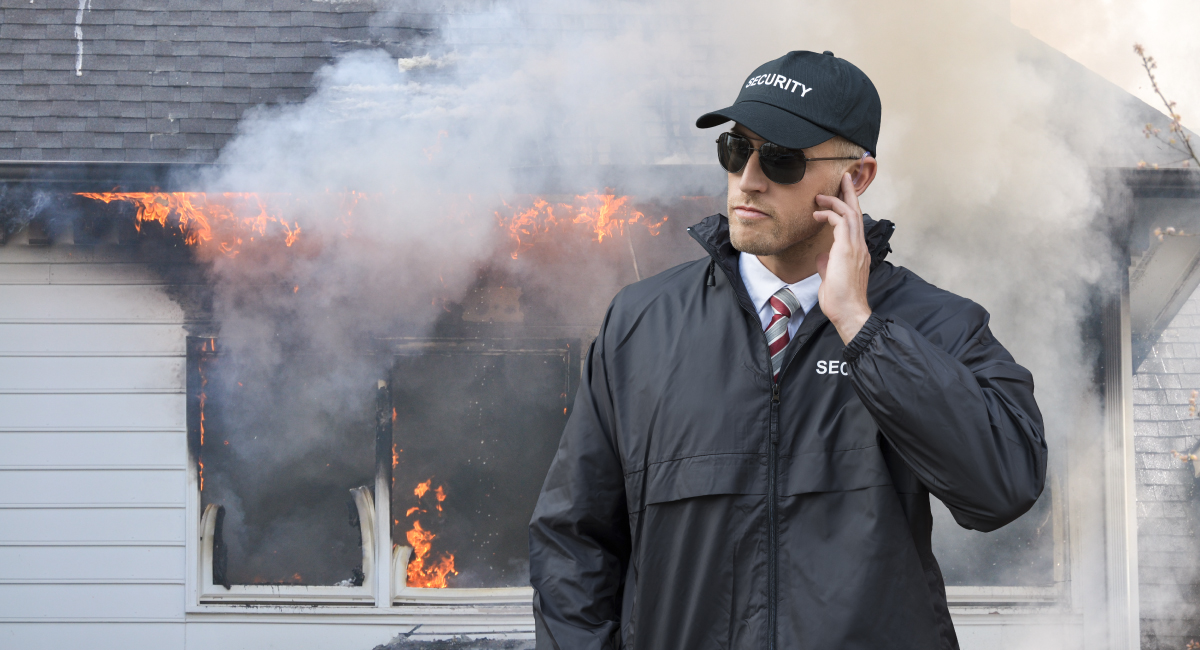
A building can feel completely normal when something small changes behind the scenes. A fire alarm may be under repair. A sprinkler line may be temporarily unavailable. During that quiet gap, a fire watch service can provide another set of trained eyes while normal protection is being restored. The work is rarely dramatic. It is mostly about attention, routine checks, and knowing what should not be ignored. That steady presence matters most when everyone else is busy carrying on.
Quiet Attention Makes A Difference
Fire watch work often involves long periods without an incident. That does not make the responsibility unimportant. Someone still needs to remain alert and aware of changing conditions around the property.
The routine can involve checking assigned areas, noticing unusual smells, watching for smoke, and reporting concerns promptly. Familiar surroundings can make this easier because unusual activity becomes more noticeable.
Good attention is usually quiet. There is no need for constant movement. The important part is remaining present and taking each check seriously.
Knowing What Deserves Attention
Not every unusual detail means there is an emergency. Still, certain signs should never be casually dismissed. Smoke, burning smells, blocked exits, unsafe work activity, or unusual heat may require prompt action.
Training helps personnel understand the difference between ordinary conditions and something that needs attention. The goal is not to create alarm. It is to notice genuine concerns early.
During a temporary protection gap, a trained fire watch service worker can provide an important layer of observation while repairs or maintenance continue.
Simple Checks Support Better Awareness
Regular checks work best when they remain clear and practical. Complicated routines can create confusion, especially during long shifts.
| Situation | Attention Needed | Useful Response |
| Alarm system repair | Assigned areas require observation | Follow the approved watch routine |
| Sprinkler interruption | Watch for developing hazards | Maintain regular checks |
| Hot work activity | Nearby conditions need attention | Follow site safety procedures |
| Changing work areas | Previous routes may no longer apply | Confirm updated instructions |
| Unusual smoke or heat | Immediate attention may be required | Report according to site procedures |
A typical inspection may focus on areas where hazards could develop. The exact routine depends on the property, current work, and local requirements.
Some basic habits include:
- Checking assigned areas at scheduled intervals without unnecessary distractions.
- Watching for smoke signs of unusual heat, or burning smells nearby.
- Keeping exits and important pathways clear during regular rounds.
- Reporting concerning conditions promptly through the agreed communication method.
- Recording relevant observations clearly for later review when required.
These habits do not replace functioning fire protection systems. They provide temporary observation when normal safeguards are unavailable.
Reliability Comes Through Consistency
Safety work often depends on actions that seem ordinary. A check gets completed. A note gets recorded. A concern gets reported. The same process happens again.
That consistency becomes especially important when temporary conditions continue for several hours or days. A long tail fire watch service assignment may require the same level of attention throughout the entire period rather than only during the first few hours.
People tend to notice major events. Good safety habits also depend on noticing small changes before they become larger problems.
Common Questions About Fire Watch Duties
- What does fire watch personnel generally monitor?They observe assigned areas for smoke, heat, hazards, and other signs requiring attention.
- Why is fire watch used during system interruptions?It provides temporary observation while normal fire protection equipment is unavailable.
- Does fire watch replace fire protection equipment?No. It provides temporary monitoring while affected systems are repaired or restored.
- How often should assigned areas be checked?Inspection frequency depends on site conditions, procedures, and applicable safety requirements.
- What happens when a concern is noticed?Personnel should follow established reporting and emergency procedures without unnecessary delay.
- Does every property require the same routine?No. Duties depend on the building, current hazards, work activity, and local requirements.
Something is reassuring about a task done properly without much attention being drawn to it. A trained person remains present, follows the routine, notices changes, and communicates when something seems wrong. Nothing about that work needs to feel dramatic. Its value rests in ordinary discipline repeated throughout the shift, especially during those temporary gaps when normal protection is being repaired or restored.